
CASE STUDY / HOUSING STABILITY AND STUDENT SUCCESS
How Columbus State Community College built an award winning partnership for students facing housing insecurity, and what other colleges can put into practice.
PALLYWALLYU CASE STUDY • OCTOBER 20, 2026
| 450+ | 57 | 33 |
|---|---|---|
| Students reached through the original pilot | Received shorter term housing assistance | Received apartment placement support |
The pilot figures describe different types of service, not three groups that should be added together.
Some students leave college not because they cannot do the coursework, but because they cannot pay the rent. Columbus State Community College in Ohio treated that problem as part of its student success mission. Its answer was Success Bridge, a collaboration that combined housing guidance, direct rental help, apartments, and academic support without requiring the college to build and run a traditional dormitory.
The approach earned the inaugural Heritage Innovation Award from the Community Shelter Board in April 2023. Award judges recognized the collaboration among the college, housing authority, nonprofit service providers and local housing advocates. The result is a useful case study for campuses that want to protect students from eviction and support degree completion.
The problem was already visible in student data
A survey of 1,204 Columbus State students in 2018 found that 60% of respondents had experienced housing insecurity and 14% had experienced homelessness in the previous year. Those figures reflect survey respondents, not a census of the entire student body. Still, they offered a clear reason to make housing stability an institutional concern.
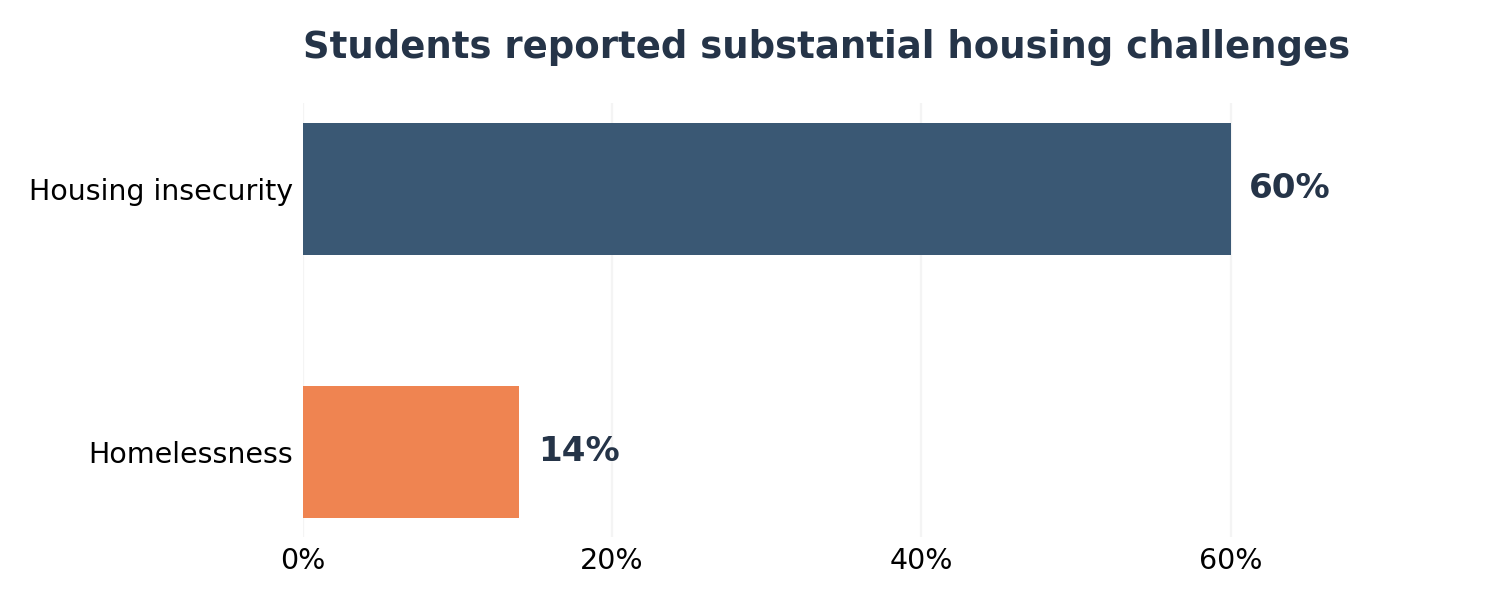
Figure 1. Columbus State survey findings from 2018. Homelessness is a distinct, more severe experience and should not be added to the housing insecurity percentage.
The problem was especially consequential for students who had already made meaningful progress toward a credential. The original pilot focused on people with demonstrated financial need who had accumulated college credits but faced a housing crisis serious enough to interrupt their education.
What Success Bridge actually provided
Beginning in 2020, the program offered support at different levels. All students seeking help could receive information, referrals and housing navigation. Students in immediate danger of losing housing could receive limited assistance with rent or utilities. Those with more persistent needs could enter supported apartment placements with rental subsidies and case management. Academic guidance and career services complemented the housing help.
The college coordinated student connections and academic resources. Home for Families handled housing screening and support, while the Columbus Metropolitan Housing Authority, Affordable Housing Alliance of Central Ohio, and Community Shelter Board helped supply expertise, rental subsidy arrangements, housing connections and coordination. This allowed each organization to do the work it was equipped to do.
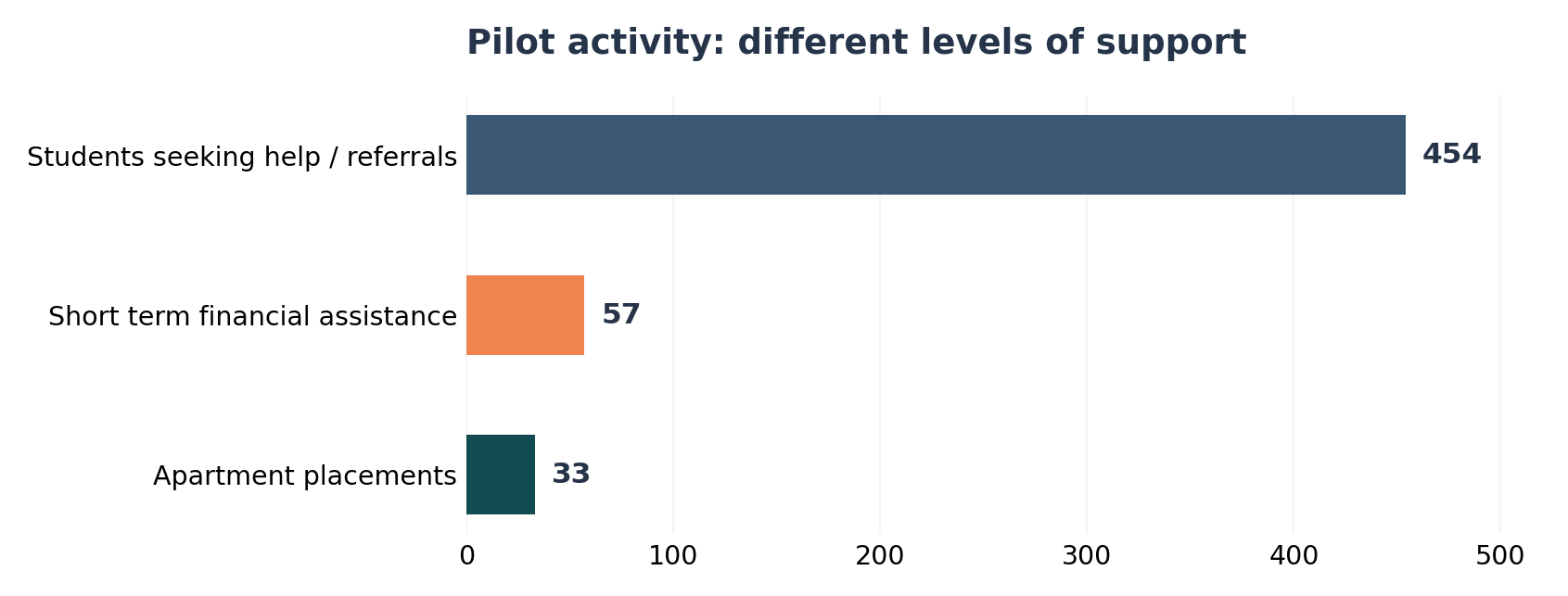
Figure 2. Reported pilot activity from 2020 through 2023. About 450 students received initial help, 57 received shorter term financial assistance and 33 entered program apartment placements. These categories can overlap.
The college said all participants receiving shorter term assistance were in permanent housing after leaving the program. For students living in dedicated apartments, nearly three in four moved into permanent housing solutions. These are reported outcomes among served students, not evidence that the program could resolve every housing crisis on campus.
What the effectiveness evidence does and does not say
There are reasons to take the model seriously. In 2023, Columbus State reported statistically significant gains in selected academic outcomes among students receiving rental or apartment support, including continued enrollment, good academic standing and credential completion. Its housing partners also describe favorable outcomes in an independent evaluation of the pilot.
A published analysis in Inside Higher Ed offers a concrete example: from fall 2020 to spring 2021, 86% of Success Bridge participants remained enrolled, compared with 65% of the broader student population. The 21 percentage point difference is notable but not an experimental estimate. The comparison groups may have differed before assistance, and the published summary does not establish that housing support alone produced the change.
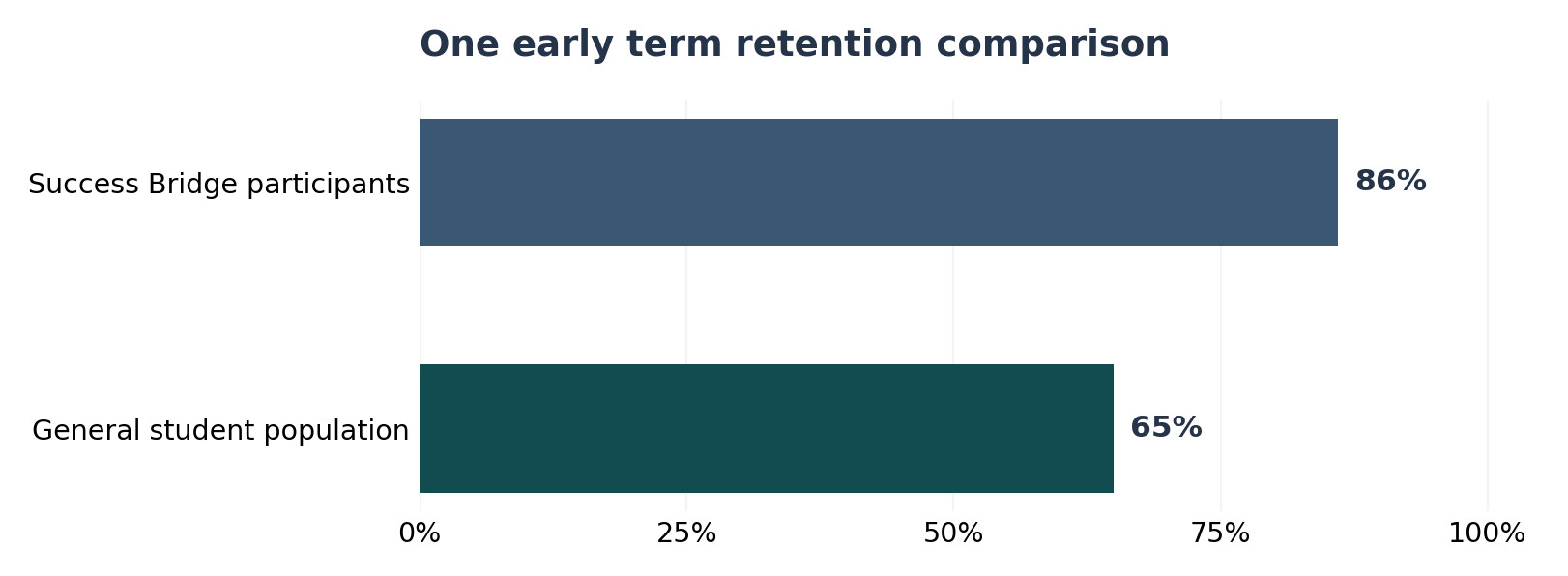
Figure 3. Reported retention from fall 2020 to spring 2021, published by Inside Higher Ed in September 2023. This is a descriptive comparison, not a randomized causal estimate.
That distinction is essential for replication. A credible campus evaluation should compare participating students with a carefully matched group or, when appropriate, randomize access to an additional outreach strategy. It should also measure housing stability directly, not just credit completion.
The funding structure made the partnership possible
The initial pilot was supported with approximately $1.5 million from the housing authority and philanthropic donors. In July 2023, the City of Columbus announced a further $2 million in federal Emergency Rental Assistance funding to extend Success Bridge. Of that amount, $1.6 million was designated for eligible rent and utility costs and $400,000 for housing focused case management.
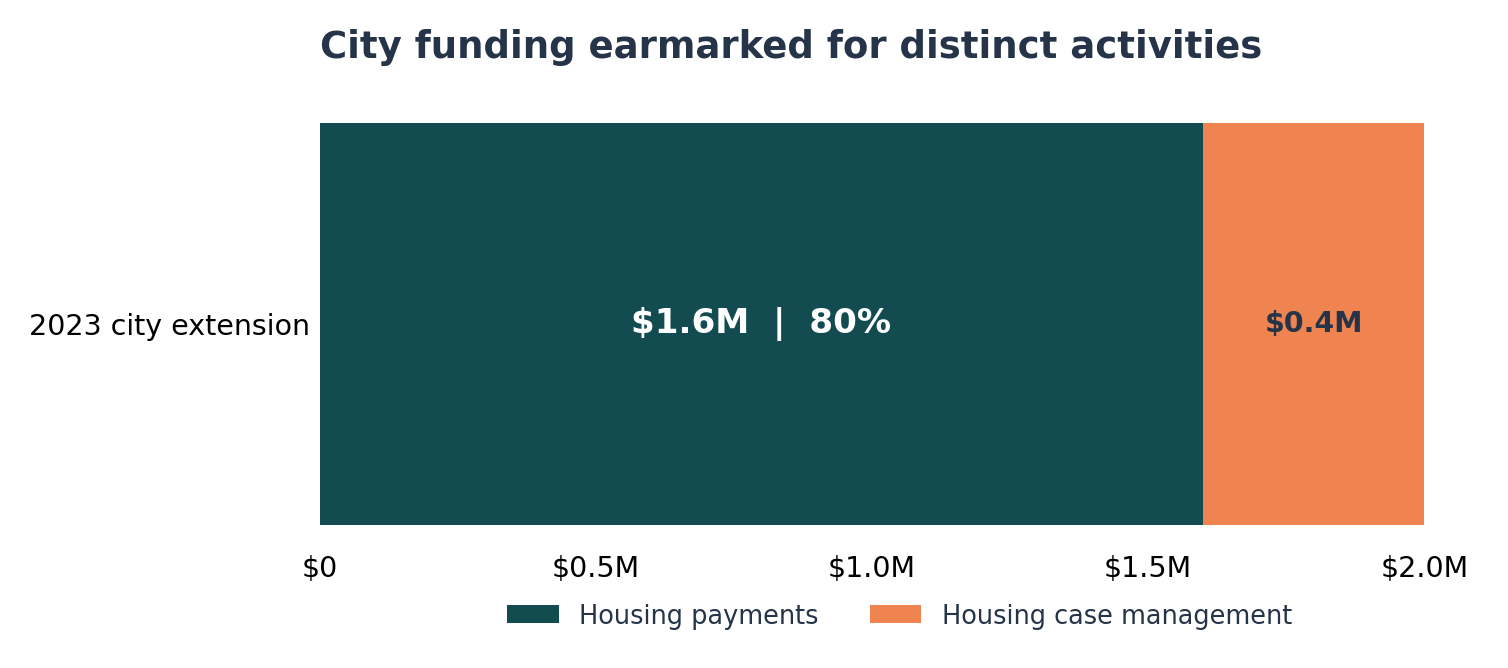
Figure 4. Public funding announced in 2023 for Success Bridge. Amounts show designated uses, not verified expenditures or direct payments already received by students.
This matters because students need more than a referral list, but direct financial assistance alone may not be enough. The housing specialist helps identify the crisis, works with landlords, documents eligibility, coordinates payment and connects students to broader supports. The direct aid and service capacity have to be budgeted together.
A model that adapted when the housing arrangement changed
Success Bridge also confronted a problem other colleges should anticipate: its original apartment arrangement could not be treated as permanent. A neighboring housing provider sold the property, forcing the program to shift toward working with landlords and rental opportunities in the surrounding market. That adaptation highlights the value of diversified housing supply rather than reliance on a single building.
Columbus State continued housing navigation and community partnerships. Its 2024 student guidance described two assistance paths, help with unpaid rent and utilities in a current apartment, and help finding a new rental home. At that time, the posted academic eligibility framework generally included a completed credit threshold, current enrollment and good academic standing, with exceptions for some circumstances. Campuses replicating the approach should consider how to reach new students and others with fewer credits, who may face equal or greater need.
What comes next: the Opportunity Pointe housing project
Columbus State has also moved toward a separate real estate solution. In August 2026, its real estate affiliate and Woda Cooper celebrated the start of construction on Opportunity Pointe, a $51 million development adjacent to campus. Plans call for 166 income restricted apartments serving the broader community and 20 additional market rate apartments reserved for college use as supportive student housing. It is a construction project, not a completed housing outcome as of October 2026.
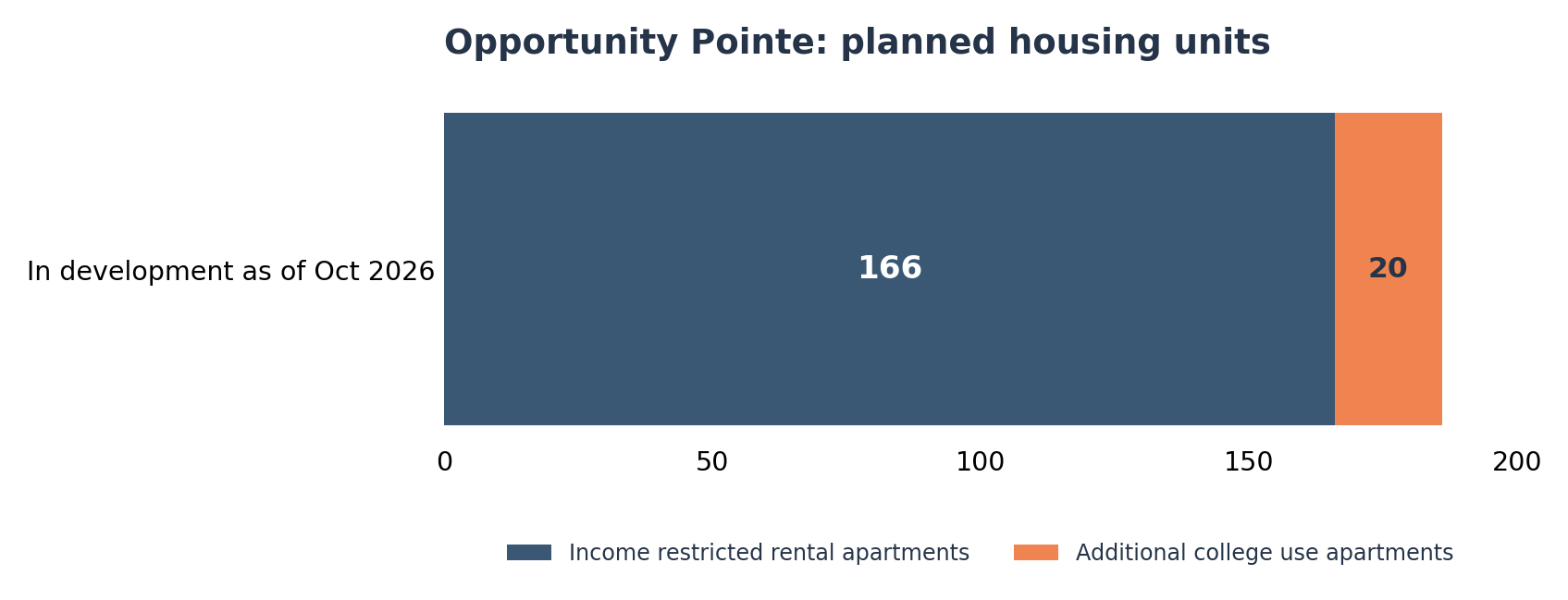
Figure 5. Planned Opportunity Pointe units at the August 2026 groundbreaking. The 20 additional college use apartments were described as market rate, not part of the 166 income restricted units.
The longer term lesson is not that every community college should become a housing developer. It is that an institution can begin with emergency assistance, build a network of partners, then pursue more durable housing capacity when funding and local conditions support it.
How another college can implement the model
Start with partners, not buildings
In the first 30 days, appoint an accountable campus leader and contact the local housing authority, Continuum of Care lead agency, at least one experienced housing nonprofit and the city housing office. Agree on eligibility, referrals, privacy protections, crisis response and what each partner will deliver.
Create two assistance routes
During days 31 to 60, build a rapid prevention route for rent arrears, utility shutoff and imminent eviction. Add a placement route for students who cannot safely remain where they are. Give each route clear maximum assistance rules, an emergency approval procedure and a warm handoff to a housing case manager.
Fund the actual work
During days 61 to 90, identify flexible sources for payments, staffing and landlord relationships. Options may include institutional emergency funds, philanthropy, local housing assistance, housing authority collaboration and eligible public grants. Do not assume that money allocated for one purpose can be spent on another. Have counsel review applicable funding eligibility and student privacy rules.
Launch, listen and measure
During days 91 to 120, start with a manageable cohort and track time to first contact, rent or utility arrears resolved, students housed, housing status at 90 and 180 days, enrollment, credits earned and persistence. Survey students on stigma, navigation burden and safety. Publish both successes and unresolved requests so unmet demand remains visible.
A practical scorecard for campus leaders
| Measure | Why it matters |
|---|---|
| Students screened and eligible | Shows how many students reach the front door and qualify |
| Payments issued and housing placements | Separates referral activity from concrete assistance |
| Housing stability at 90 and 180 days | Tests whether help has a sustained effect |
| Unmet requests and approval times | Reveals bottlenecks and gaps in available housing |
| Enrollment and credit progress | Connects basic needs work to educational outcomes |
| Student feedback and subgroup access | Tests equity, usability and trust |
The takeaway: make housing part of student success infrastructure
Columbus State shows that housing help can be designed as a coordinated system rather than an isolated emergency grant. Its model combines experienced service partners, public funding, flexible housing arrangements and academic advising. Reported housing transitions and stronger academic results support continued investment, while rigorous follow up evaluation remains important. For colleges with no residence halls, Success Bridge offers a particularly practical starting point.
Sources and research notes
Columbus State Community College. Housing Stability: Success Bridge program overview and campus need data. Read source
https://www.cscc.edu/community/housing-stability.shtml
Columbus State Community College. Housing program will help Columbus State students pay rent, earn degrees. June 26, 2020. Read source
https://www.cscc.edu/employee/communications/update/2020/HouseingProgramSuccessBridge.shtml
Columbus State Community College. Columbus State and partners to expand student housing assistance with $2 million. July 31, 2023. Read source
https://www.cscc.edu/about/news/2023/SuccessBridge2023Funding.shtml
Community Shelter Board. Success Bridge honored with inaugural Heritage Innovation Award. April 18, 2023. Read source
https://www.csb.org/cdn/news-CSB-honors-Success-Bridge-with-Heritage-Innovation-Award-1.pdf
City of Columbus. City leaders announce $2 million to help house Columbus State students. July 31, 2023. Read source
Ashley Mowreader, Inside Higher Ed. Housing Program for Students in Need Evolves. September 1, 2023. Read source
Affordable Housing Alliance of Central Ohio. The Bridge Model: Success Bridge outcomes and subsequent evolution. Read source
Columbus State Community College. Success Bridge applications being accepted. February 12, 2024. Read source
https://www.cscc.edu/campus-life/student-news/2024/SuccessBridgeFeb2024.shtml
Columbus State Community College. Success Bridge rental and utilities assistance available. April 24, 2023. Read source
https://www.cscc.edu/campus-life/student-news/2023/SuccessBridgeApril.shtml
Community Shelter Board. FY2022 Program Evaluation, Home for Families Success Bridge section, page 27. Read source
https://www.csb.org/cdn/files-FY22-Program-Evaluation.pdf
Columbus State Community College. Opportunity Pointe affordable housing project advances with tax credit approval. May 27, 2025. Read source
https://www.cscc.edu/about/news/2025/OpportunityPointeMay2025.shtml
Columbus State Community College. Opportunity Pointe groundbreaking for 166 affordable homes. August 24, 2026. Read source
https://www.cscc.edu/about/news/2026/opportunity-pointe-groundbreaking.shtml
Evidence interpretation. Housing assistance figures reflect different service types and need not represent distinct students. The 86% and 65% retention comparison is descriptive and cannot establish a causal effect. The independently evaluated academic outcomes are reported by program and college sources; the full standalone independent study was not directly reviewed here. The Opportunity Pointe apartments were under construction as of the article date and are not counted as homes already provided.