
PALLYWALLYU / CAMPUS BASIC NEEDS INNOVATION EXCHANGE
When a Student Pantry Becomes Campus Infrastructure
Inside the University of Michigan’s Maize & Blue Cupboard. How other colleges can adapt its practical food access system.
PALLYWALLYU CASE STUDY · OCTOBER 2026
On a college campus known for its resources, students were once lining up for groceries at a monthly food distribution. At one event, roughly 550 people received food, while another 150 had to be turned away. The demand made a simple point: a volunteer pop up was no longer enough.
Today, the University of Michigan’s Maize & Blue Cupboard offers a more durable answer: a grocery style pantry with a permanent Central Campus location, year round access, free food and household supplies, a community food bank supply chain, and outreach that reaches students beyond the storefront. In 2025, the Cupboard recorded more than 26,000 shopping visits and earned national case study recognition in 2026.
The value of this case is not that Michigan has proved its pantry boosts graduation; it has not published that kind of causal evaluation. The transferable story is how student organizers, university operations, local food partners and donors built an accessible service with measurable reach , then continued adapting it.
The evidence at a glance
26,000+ visits in 2025. University reporting counts shopping visits, not 26,000 different students.
32% reported food insecurity. A University of Michigan winter 2018 survey measured the scale of student need before the modern pantry matured.
A defining turning point. At an early monthly pop up, about 150 of roughly 700 people seeking food could not be served.
National recognition in 2026. AASHE recognized Maize & Blue Cupboard among its Outstanding Case Studies; it was not a randomized impact finding.
First, listen to what a food line reveals
The Cupboard began in the early 2010s as a student driven series of pop up food distributions. Student organizers worked with Food Gatherers, the University of Michigan Sustainable Food Program, student government and campus partners to secure food and temporary distribution space. A Winter 2018 Michigan Alum report described a monthly distribution that served about 550 students while turning away about 150 others; the standard monthly distribution supplied roughly 3,000 pounds of donated food.
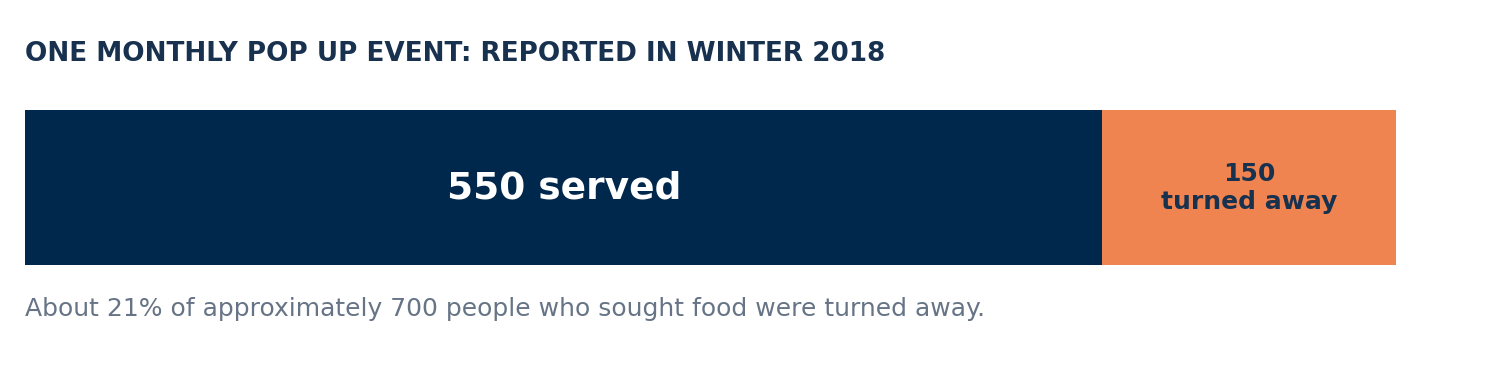
FIGURE 1 | One reported pop up, not annual campus statistics. The 21% share is calculated as 150 ÷ (550 + 150), using approximate counts published in Winter 2018. Source: Michigan Alum.
This is an operational lesson as much as a humanitarian one. A line that grows beyond an occasional event reveals a capacity constraint: limited dates, volunteer time, storage, refrigeration and ways to reach people who cannot appear at one particular hour. By 2019, the effort had a permanent home at the Betsy Barbour residence hall, supported by Michigan Dining and University of Michigan Student Life.
The need was real and measurable
A University of Michigan research project in winter 2018 found that 32% of surveyed students experienced food insecurity. Researchers also completed 39 qualitative interviews; themes included physical and mental strain, academic difficulty and the overlap between hunger and other basic needs. Food insecurity was higher among Black and Hispanic students, first generation students and financial aid recipients.
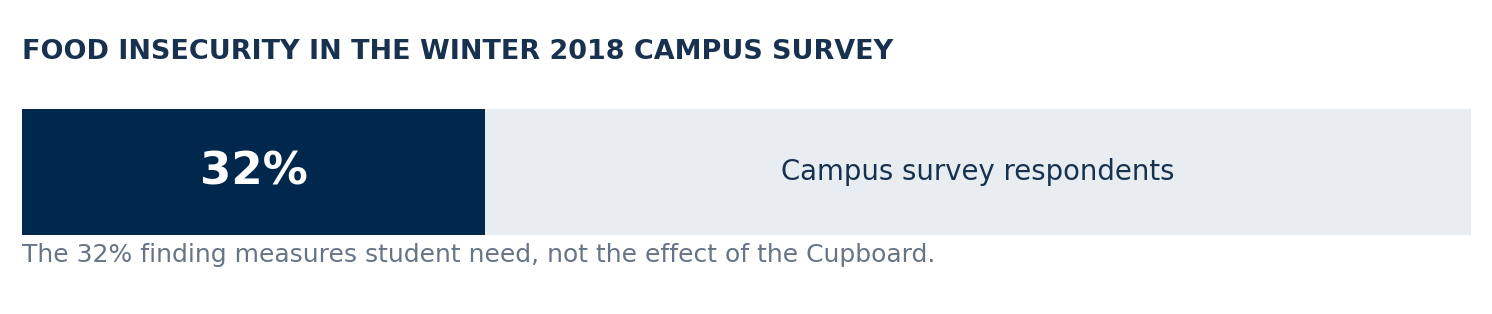
FIGURE 2 | A university research finding, not an estimate of Cupboard program effectiveness. The survey was conducted in winter 2018; methods and time windows should be reviewed before comparing with more recent campus estimates.
Later University communications have continued to describe food insecurity among more than 30% of Ann Arbor students. These figures establish a persistent need for an accessible response, but they do not tell us how many food insecure students personally use the Cupboard or whether visits reduce insecurity over time.
What Michigan built instead of a conventional pantry
1 | A welcoming, choice based grocery experience
The Cupboard is designed to feel like a small grocery store: shoppers choose free produce, dairy, proteins, shelf stable foods, personal care products and, when available, kitchen tools. Its official FAQ states that anyone with a valid University of Michigan ID may use it; there is no requirement to prove financial need, and shopping does not affect financial aid. The current storefront uses appointments, so colleges copying the model should assess whether that improves predictability or creates an additional access barrier for their students.
2 | A supply network, not just donation bins
Michigan’s partnership with Washtenaw County food bank Food Gatherers has been central since the student led days. Monetary donations can purchase discounted food through established partners, while food and personal care drives fill specific needs. The Cupboard accepts cookware because ingredients are not useful to a student who lacks a pot, can opener or reliable kitchen. The program’s own materials describe multiple immediate and endowed giving options, but do not report total annual operating cost in the sources reviewed.
3 | Fresh, culturally responsive produce
The University of Michigan Campus Farm donates surplus produce to the Cupboard. After asking users what foods they wanted, the partners added attention to ingredients such as ginger, garlic and bok choy. This is a concrete example of moving beyond simply counting pounds of donated food toward checking whether the food is fresh, familiar and useful to the people receiving it.
4 | Access beyond Central Campus
A single storefront does not solve a geographically dispersed university’s transportation problem. University of Michigan has extended distribution through mobile food events on North Campus and emergency outreach bags in settings such as advising offices and libraries. A fall 2025 North Campus schedule, coordinated with Food Gatherers, the College of Engineering and Student Life, offered distributions without reservations; the core storefront separately requires appointments.
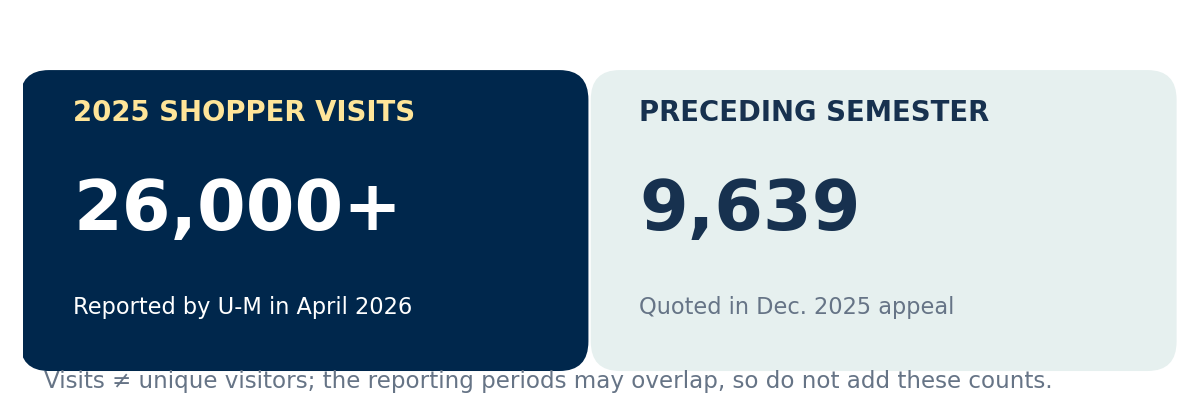
FIGURE 3 | The replicable operating model, synthesized from University of Michigan sources. These are recommended design elements, not steps tested in a controlled trial.
The leadership behind a lasting Cupboard: Kelly O’Mara
The Cupboard began with the work of student founders Wesley Zhu and Forest Burczak. Their early distributions and campus partnerships created the foundation for a permanent food resource. Sustaining that student vision, however, required professional management, year round coordination and a reliable network of volunteers. Kelly O’Mara served as the Cupboard’s program manager beginning in 2020 and as director by November 2024.
O’Mara’s experience demonstrates how program leadership can turn a pantry into responsive campus infrastructure. She has described the difficulty of planning food purchases and equipment maintenance when donations fluctuate. Under the program’s partnership with Campus Farm, students helped grow, harvest and distribute fresh produce. The farm reported supplying approximately 120 pounds a week, nearly 40% more than in 2022. That is an operational measure of the partnership, not evidence that food insecurity fell by the same amount.
She has also emphasized listening to students. After users requested more culturally familiar foods, Campus Farm and the Cupboard incorporated ingredients such as ginger, garlic and bok choy. University reporting describes produce ordering that responds to Cupboard needs rather than relying solely on whatever surplus appears. O’Mara called the Campus Farm collaboration “one of my favorite stories” because it connects food grown on campus with the students who use the Cupboard. For another college, the lesson is to assign accountable leadership, listen to shoppers, and budget for the coordination that keeps fresh food and volunteer support available throughout the year.
What the evidence shows and what remains unknown
The clearest published outcome is reach. University of Michigan reported more than 26,000 shopper visits in 2025 as part of an April 2026 announcement recognizing the program’s selection among 25 AASHE Outstanding Case Studies. A separate 2025 giving appeal reported 9,639 shopping visits in the preceding semester. A March 2025 campaign used a similar 26,000 visit figure for the preceding fiscal year. These are different reporting windows and may overlap; the numbers must not be added together or presented as a continuous growth series.
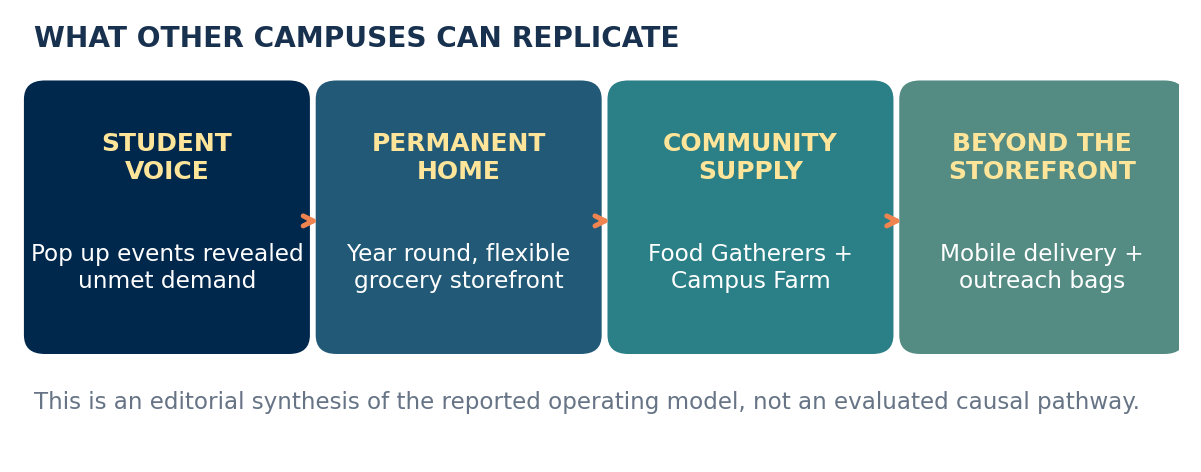
FIGURE 4 | Separately reported service volume snapshots. The 2025 annual and prior semester counts refer to shopping visits, may overlap and do not establish unique people served or a change in food insecurity.
What else can be claimed? Michigan has demonstrated repeat demand, meaningful operational scale, community partnerships, student led innovation and recognition by a national higher education sustainability organization. Anecdotes from students describe relief and dignity, but those testimonials do not substitute for a comparison group evaluation.
What cannot yet be claimed from the public sources reviewed is equally important: a measured increase in GPA, retention or completion caused by the Cupboard; a quantified reduction in food insecurity attributable to its services; or a verified cost per student stabilized. Future campus evaluations should measure these outcomes without compromising privacy or treating repeat visits as independent students.
The vulnerabilities other colleges should plan for
Michigan’s model is promising precisely because its limits are visible. The Cupboard manager described donations as variable from month to month, while equipment, refrigeration and maintenance still require cash. Campus leaders should plan an operating budget for refrigeration, inventory, staffing and replenishment; campuses should not simply launch a well publicized donation drive and hope it lasts.
Another tension concerns access: students on distant campuses, caregivers, shift workers and students without cars may need mobile distributions or flexible hours. A program that serves staff and faculty, as University of Michigan does, also needs to account for potentially larger demand. Supplies should reflect dietary and cultural preferences, and nutrition resources should be paired with public benefits navigation and referrals rather than treating the pantry as the whole basic needs system.
A practical 120 day replication playbook
DAYS 1 to 30 | Measure need and build ownership
Invite students, pantry staff, dining, financial aid, accessibility personnel, institutional research and local food partners to a working group. Conduct a short campus needs assessment or use recent data; map who cannot reach a grocery store, who is missing meals and which hours, locations and foods they need. Decide whether a choice based model is appropriate and establish a privacy preserving intake process.
DAYS 31 to 60 | Secure the basics
Choose a reachable space or mobile first operating model. Assign an accountable program owner. Arrange refrigeration, shelving, food safety, recurring delivery, volunteer roles, a cash budget and a partner such as a regional food bank. Stock practical food, hygiene items and starter cooking tools, not only shelf stable goods.
DAYS 61 to 90 | Launch and remove friction
Pilot flexible shopping appointments or walk in hours, after hours referral options and at least one distribution point outside the main campus center. Explain clearly who qualifies, how to receive supplies, and whether anyone must disclose financial hardship. Put up to date information in advising, orientation, online portals and staff referral materials.
DAYS 91 to 120 | Prove service quality before scaling
Track number of visits separately from unique visitors, who did not find needed food, repeat use rates, stock outs, volunteer hours, food waste, culturally appropriate inventory, successful referrals and quick anonymous student feedback. Where legally and ethically permitted, study whether service users experience improved food security, attendance, persistence and well being over time. Share both the wins and remaining gaps.
A starter scorecard for every campus
Access | Unique visitors, total shopping visits, appointment wait time, access by campus/commuter status and unserved requests.
Food fit | Fresh food availability, preferred food requests filled, nutrition and cultural fit, and pantry stock outs.
Service quality | Dignity, accessibility, privacy and ease of use feedback; percentage of referrals actually completed.
Costs | Cash operating costs, food sourcing costs, donor reliability, volunteer capacity and unit cost per visit.
Student outcomes | Repeat food security screening, academic stability and longer term persistence tracked with an appropriate evaluation design.
The lesson: treat food access as infrastructure
Maize & Blue Cupboard is a compelling model not because one university ended campus hunger, but because a student led effort identified a problem, outgrew episodic service and became part of the university’s operating fabric. Its success is clearest in the concrete things other colleges can observe: a permanent front door, year round access, culturally responsive sourcing, mobile distribution, and tens of thousands of reported visits.
The next generation of campus basic needs programs can adopt that infrastructure. They can go further by measuring whether students become more food secure and remain on track to graduate. That is the distinction between a widely used service and an intervention with demonstrated long term academic impact.
Sources, full URLs and research notes
The following 16 publicly available materials were consulted for this article. University sources are identified as institutional reporting. The 120 day implementation framework is PallyWallyU editorial guidance, not an evaluated University of Michigan protocol. Kelly O’Mara’s published comments are attributed to the University of Michigan publications listed below.
University of Michigan Poverty Solutions. Breaking the “Starving Student” Myth: Understanding and Addressing Food Insecurity Needs on Campus (2018).
Used for: Campus winter 2018 research project; 32% and participant themes.
Alumni Association of the University of Michigan, Julie Halpert. Food for Thought (Winter 2018).
Used for: Monthly pop up history; 550 served and 150 turned away; earlier 2016 study discussion.
Full URL: https://alumni.umich.edu/michigan-alum/food-for-thought-w18/
University of Michigan Student Life / Maize & Blue Cupboard, Ella Loveland. From students, for students: The Maize and Blue Cupboard (March 2024).
Used for: Student founders Wesley Zhu and Forest Burczak; the permanent location; reported shopping activity; Kelly O’Mara’s management since 2020 and the challenge of fluctuating donations.
Full URL: https://mbc.studentlife.umich.edu/2024/03/13/from-students-for-students-the-maize-and-blue-cupboard/
University of Michigan Office of Development, Eric Gallippo. Food security for students, by students (Nov. 19, 2024).
Used for: Campus Farm supply partnership; culturally responsive produce requests; Kelly O’Mara as director in 2024; outreach bags and reported shopping activity.
Full URL: https://giving.umich.edu/um/w/food-security-for-students-by-students
University of Michigan / The University Record, via LSA Sustainability. University of Michigan initiatives recognized as AASHE outstanding case studies (April 2026).
Used for: 2026 national recognition; more than 26,000 shopper visits in 2025.
Maize & Blue Cupboard. Official homepage and program mission.
Used for: Current grocery model and appointment instructions; accessibility and location.
Full URL: https://mbc.studentlife.umich.edu/
Maize & Blue Cupboard. Frequently Asked Questions.
Used for: Eligibility with University of Michigan ID; choice based shopping; no financial aid impact.
Full URL: https://mbc.studentlife.umich.edu/faq/
Maize & Blue Cupboard. Fall 2025 Mobile Distribution for North Campus.
Used for: Food Gatherers / College of Engineering partnerships; no reservation satellite distributions.
Full URL: https://mbc.studentlife.umich.edu/2024/09/04/fall-2024-mobile-distribution-for-north-campus/
Maize & Blue Cupboard. How to help.
Used for: Funding sources, food bank purchasing and volunteer operations.
Full URL: https://mbc.studentlife.umich.edu/how-to-help/
Maize & Blue Cupboard. Hosting a Donation Drive.
Used for: Donor practices; foods, personal care goods, cookware and food safety.
Full URL: https://mbc.studentlife.umich.edu/how-to-help/hosting-a-donation-drive/
University of Michigan Giving Blue Day 2025. Maize & Blue Cupboard Fund.
Used for: 26,000 shopping visits in prior fiscal year (campaign date March 2025); University of Michigan context figures.
University of Michigan Giving Tuesday 2025. The Maize & Blue Cupboard.
Used for: 9,639 visits in preceding semester (reported Dec. 2025).
Full URL: https://maizeraise.umich.edu/schools/UniversityofMichigan/giving-tuesday-2025/pages/gt25-cupboard
University of Michigan Human Resources. Donate Food, Raise Awareness During Hunger Action Month (Aug. 26, 2026).
Used for: University stated current context: more than 30% of Ann Arbor students experience food/nutrition insecurity.
Full URL: https://hr.umich.edu/about-uhr/uhr-news/donate-food-raise-awareness-during-hunger-action-month
Michigan Department of Lifelong Education, Advancement, and Potential. Michigan College Student Basic Needs Task Force recommendations (May 15, 2025).
Used for: Context for replicating campuses: navigators, benefits enrollment, data and basic needs hubs.
University of Michigan Giving, Kaley Joy. Nourishing success: food, care, and community (Dec. 2, 2025).
Used for: University of Michigan three campus food pantry context; distinguishes university wide system from Ann Arbor cupboard.
Full URL: https://giving.umich.edu/um/w/nourishing-success-food-care-and-community
University of Michigan Matthaei Botanical Gardens and Nichols Arboretum, Kerry Sprague. From Farm to Pantry: Empowering Students for Food Equity (publication date not indicated).
Used for: Kelly O’Mara’s account of the Cupboard and Campus Farm partnership; approximately 120 pounds of produce weekly and a nearly 40% increase from 2022.
Full URL: https://mbgna.umich.edu/post/blog/farm-pantry-empowering-students-food-equity
Methodology and responsible interpretation
Source review: October 2026. Counts and dates are described as published by each source; reporting windows are not necessarily aligned. The 2018 campus survey estimate is a measure of student need, not a post program outcome. The 550/150 pop up figures are approximate counts for a single event. The 2025 26,000+ figure is shopping visits, not unique students; the 9,639 semester figure may overlap. Descriptive trends and national recognition do not imply that the Cupboard caused improvements in GPA, retention or graduation.
Historical note clarification: University of Michigan sources differ on the original start year of the student led effort (e.g., 2012 vs. late 2014). This case study describes its origins as “early 2010s” and uses 2019 for the permanent storefront, a point on which the published accounts agree.
Publication information: Prepared for the PallyWallyU Campus Basic Needs Innovation Exchange. Independent editorial synthesis of publicly documented program characteristics and University of Michigan reporting; not sponsored or evaluated by the University of Michigan.